
For towns, counties & economic development
You know which building. We know what to do with it.
Every town has one — dark for years, roof going, nobody sure who still owns it. We buy those buildings, fix them, and fill them with the small businesses already in your county. We are not asking for a TIF, an abatement or a dollar of public money. We are asking for the address.
Before & after
This is what a dead building looks like eighteen months later.
405 E Marion Street, Waterloo, Indiana. Broken windows, drums on the floor, water through the office, no working systems. Bought for $75,000 because nobody else would take it.
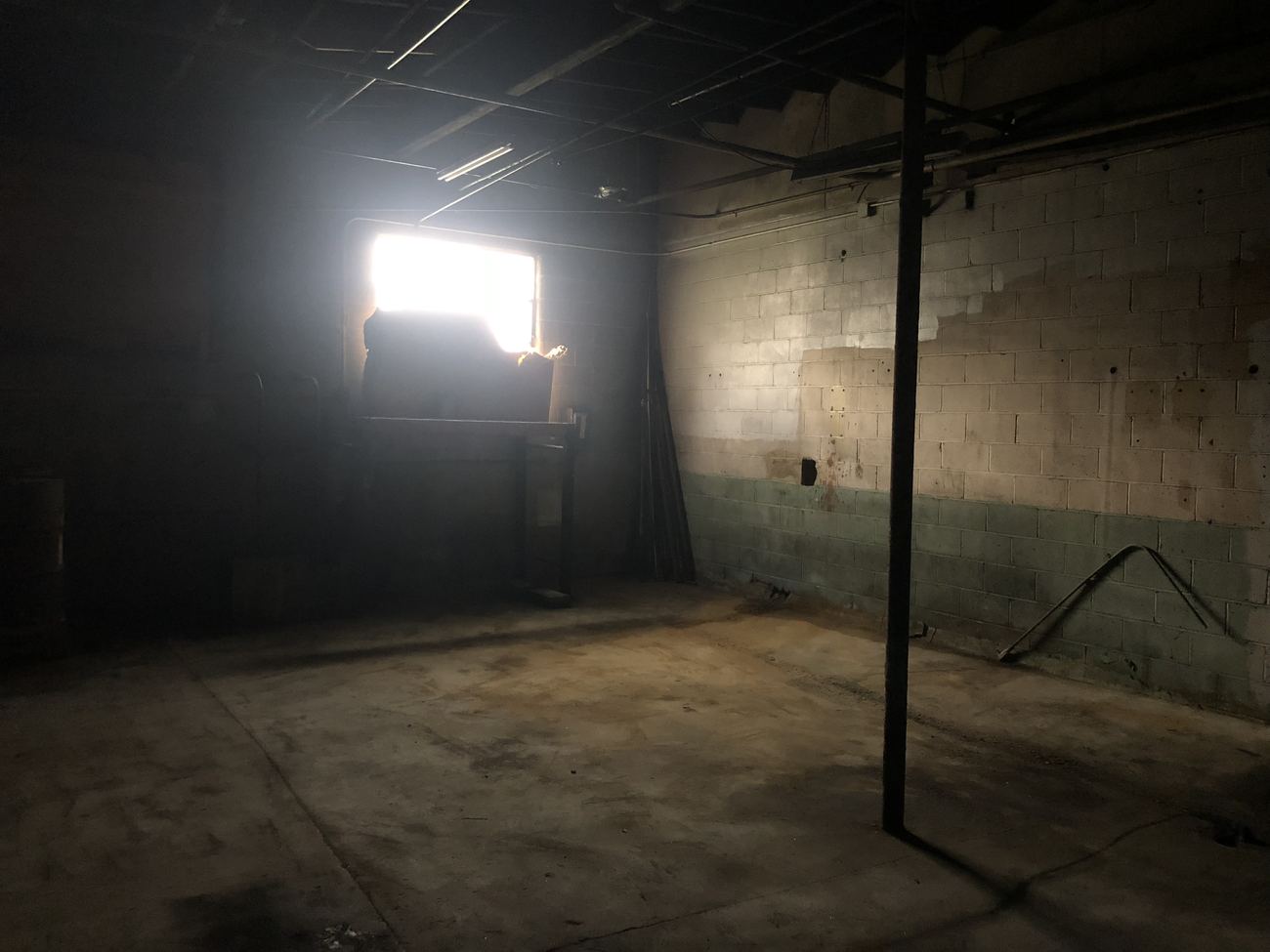
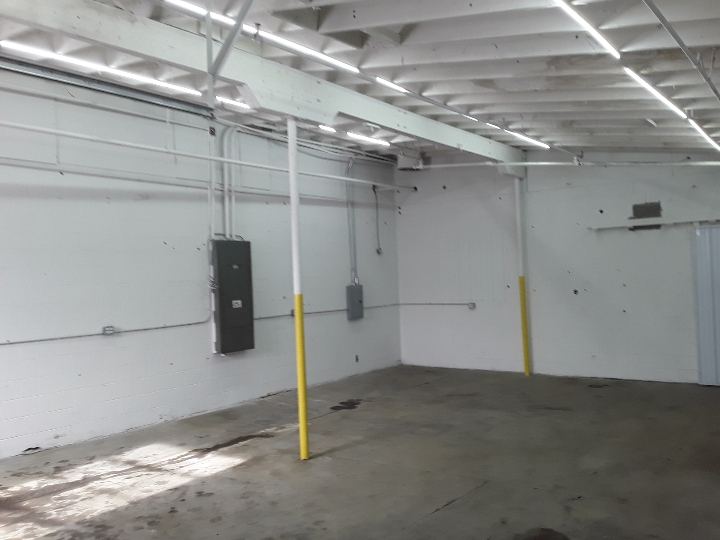
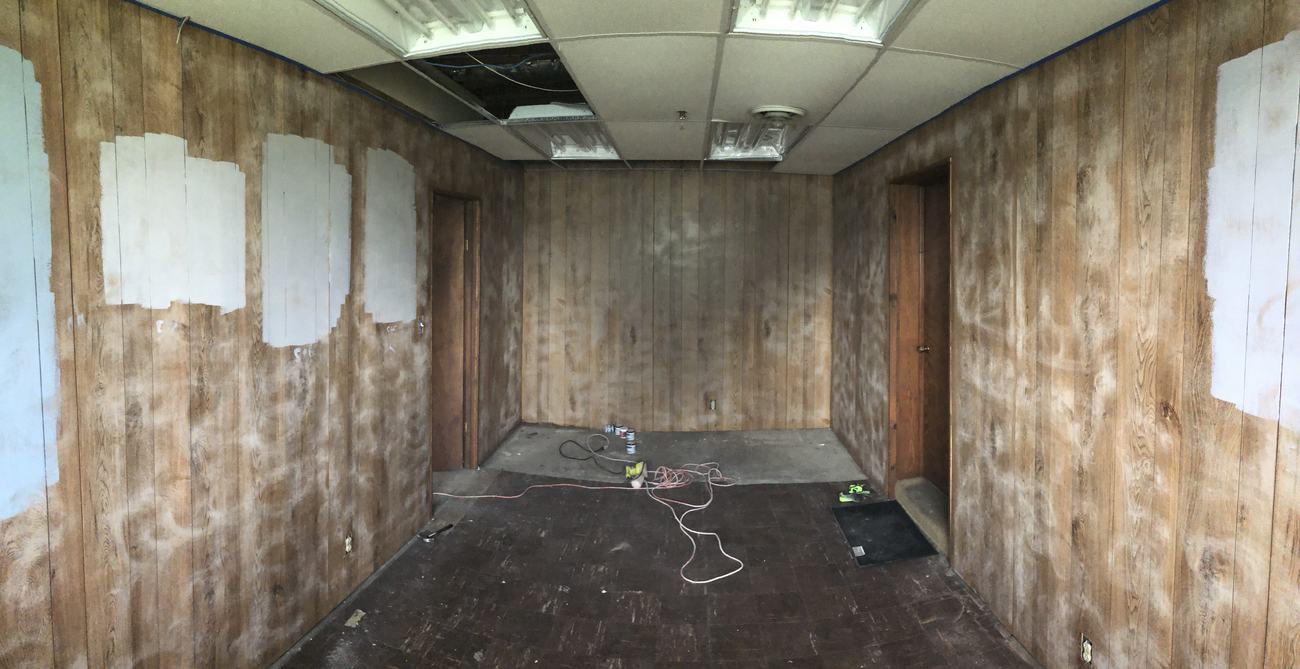
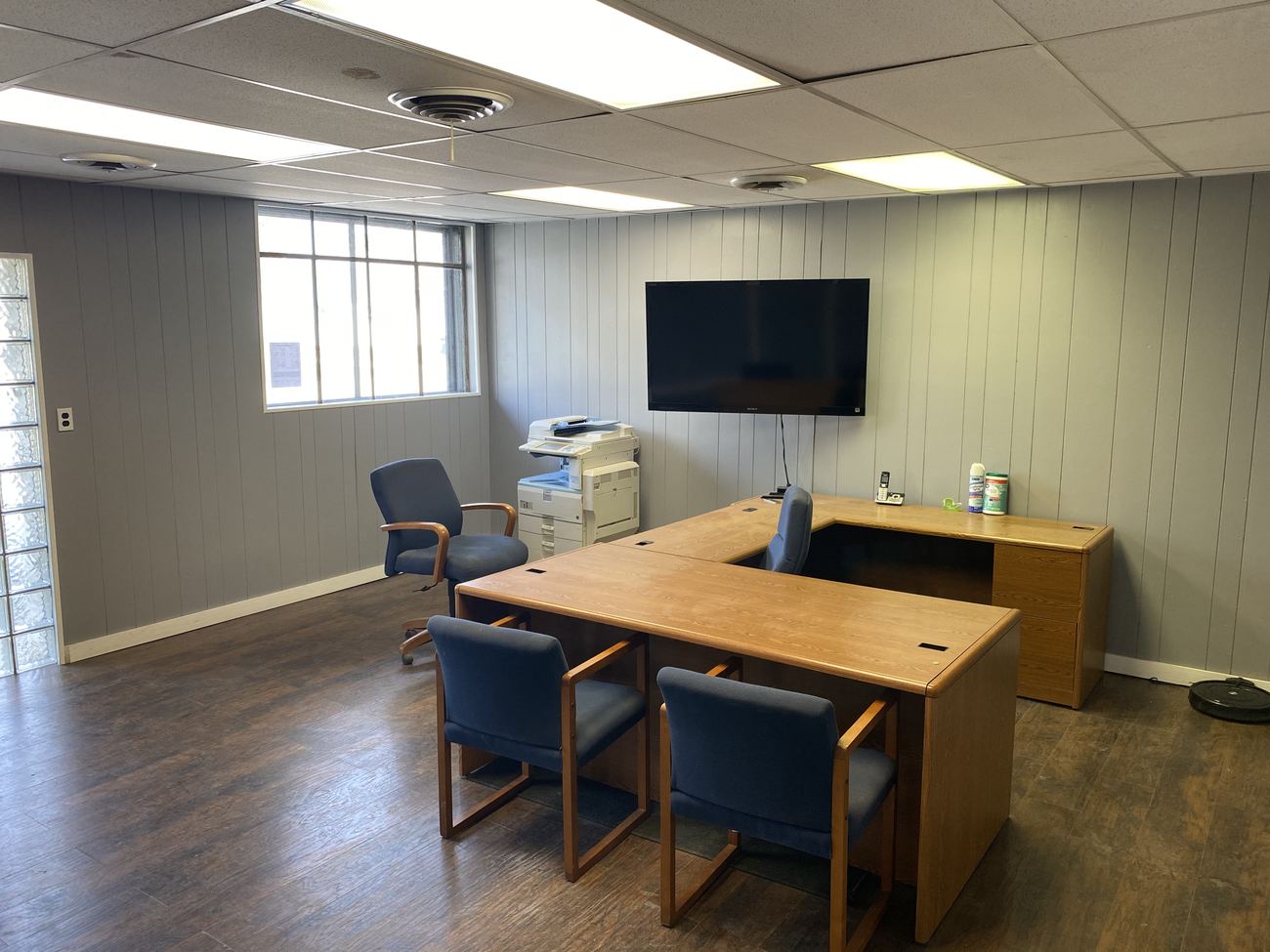
Each pair is the same space. The work was largely self-performed, unit by unit, as the building filled.
The problem you already know about
The empty plant is not going to attract one big employer.
Every economic development office in the country has a building like it: the closed foundry, the shuttered parts plant, the mill on the rail line. The recruitment strategy is always to land one large tenant to take the whole thing — and that tenant almost never comes, because a sixty-year-old shell in a town of three thousand is not on anyone's site-selection list.
So the building sits. It drags down the assessed value of every parcel around it, it generates code complaints, and eventually the town is having a conversation about a demolition it cannot afford — spending public money to turn a liability into an empty lot.
There is a third option, and it does not require you to find a large employer or write a cheque.
Where you actually matter
The hard part isn't the building. It's finding the person who owns it.
No town can make an owner sell, and neither can we. But most of these deals never get that far — they die because the right conversation never happens at all.
- The record is stale. The assessor lists an estate, a dissolved LLC or an address the mail comes back from. The person who actually controls the building is two steps removed from the parcel record.
- Cold letters get ignored. An out-of-state owner has been getting mail from strangers for a decade. Yours is one more envelope. An introduction from the town is not.
- Nobody knows what's stacked against it. Back taxes, liens, a code case, an unresolved estate — the things that decide whether a deal is possible are the things your office already tracks.
- Sellers walk late. Deals on these buildings fall apart at the eleventh hour more often than not. We cannot prevent that. We can be the buyer who shows up already knowing the building, the liens and the history — and who is still there when the owner comes back around a year later.
What we do with it
Small tenants, already in your county.
Local businesses, not imports
Our tenants are welders, mechanics, machinists, contractors, restorers and landscapers who already live in the county. We are not relocating jobs — we are giving businesses that already exist a place to grow into.
A real incubator
A one-person operation can start in 800 square feet with a shared dock and a shared forklift, then move up to a larger unit in the same building as the work grows. That ladder does not exist in most small towns.
Back on the tax roll
A vacant building assessed near land value becomes an occupied, improved, income-producing property — and the businesses inside it generate their own local activity.
The eyesore goes away
Roof, windows, doors, lighting, pavement and landscaping get fixed because we need them fixed to lease the space. Code enforcement stops being a monthly conversation.
Brownfields taken seriously
We are willing to look at buildings with an environmental history — with a Phase I first and available cleanup programs used properly, not ignored.
No incentive ask
The model works on the acquisition basis, not on public money. What we need from a town is workable zoning and a building department we can get answers from.
What we ask for
Almost nothing — but these help.
Helpful
- A pointer to the buildings your office already worries about
- An introduction to an owner who is hard to reach through public records
- What you know about back taxes, liens or an unresolved estate
- Industrial or commercial zoning in place, or a clear path to it
- A building department that will give a straight answer on multi-tenant occupancy
- Awareness of any brownfield or cleanup programs the parcel qualifies for
Not required
- Tax abatement or TIF participation
- Grants or forgivable loans
- Job-creation guarantees tied to public money
- Infrastructure spending by the town
- Exclusivity of any kind
- Any commitment at all before we have seen the building
The evidence
Waterloo, Indiana.
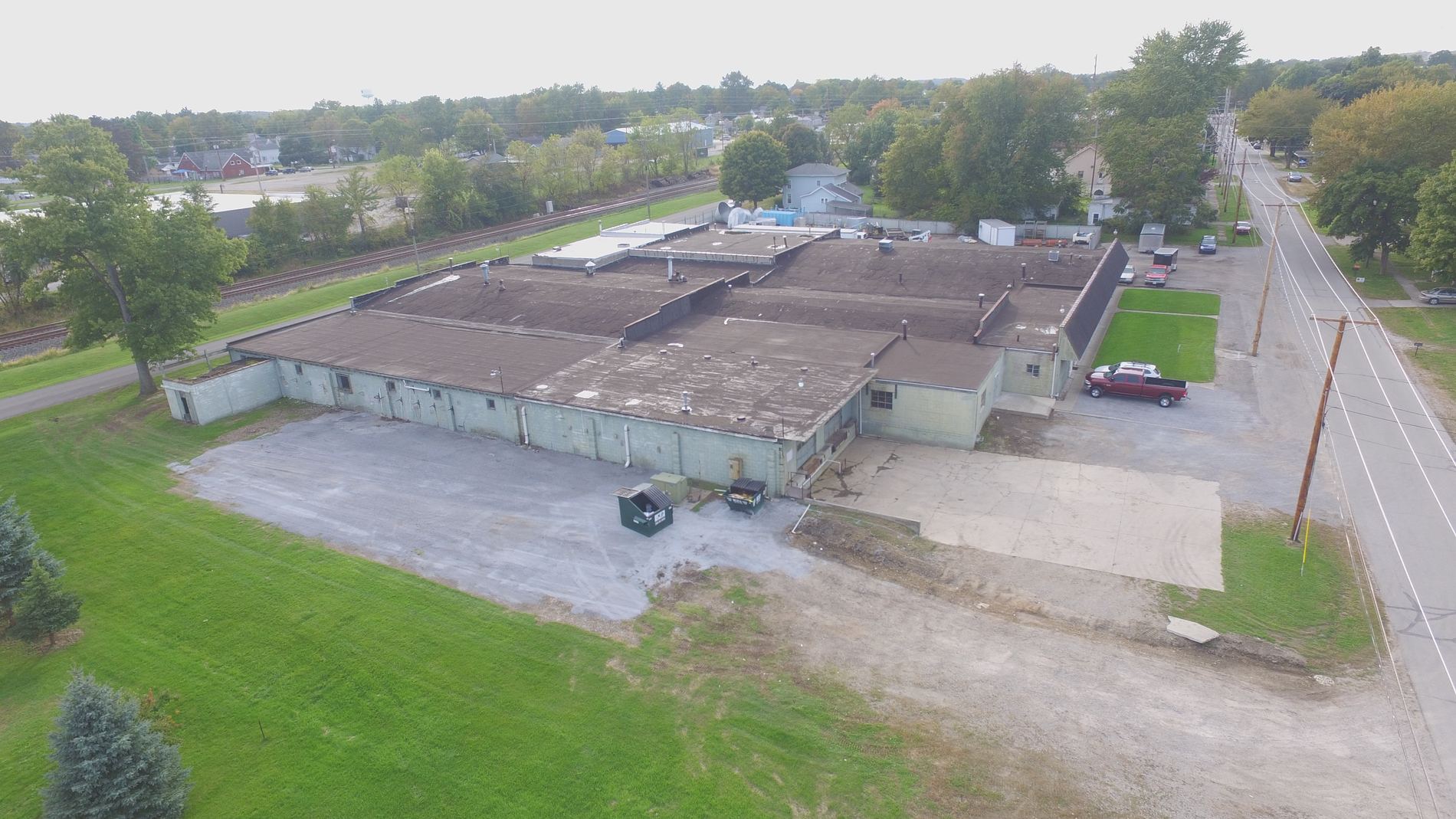
A 34,000 square foot abandoned building on the Norfolk Southern line, bought in 2018 for $75,000 in a town of about 2,200 people.
It now holds 56 rentable units leased to local trades and small operators — shop zones, offices, storage and parking — with 24/7 access, loading docks, community restrooms, internet and a shared forklift. No public incentives were used. The building runs with no on-site staff, and the town got a working address back instead of a demolition line item.
Which building in your town is the problem?
Send us the address. If you know who owns it, tell us that too — and anything you know about taxes, liens or why the last deal fell through. We will tell you honestly whether it fits, and if it doesn't, why not. No cost, no obligation, and nothing you have to take to a council meeting.