
About
I spent years working inside other people's dead factories.
I'm Adam Smith. Before I bought an abandoned building in Waterloo, Indiana, I made my living on the road at industrial plants — installing equipment in the ones still running, and cutting apart the ones that weren't. The Incubator Guy came directly out of that.
Where this came from
The job was the whole education.
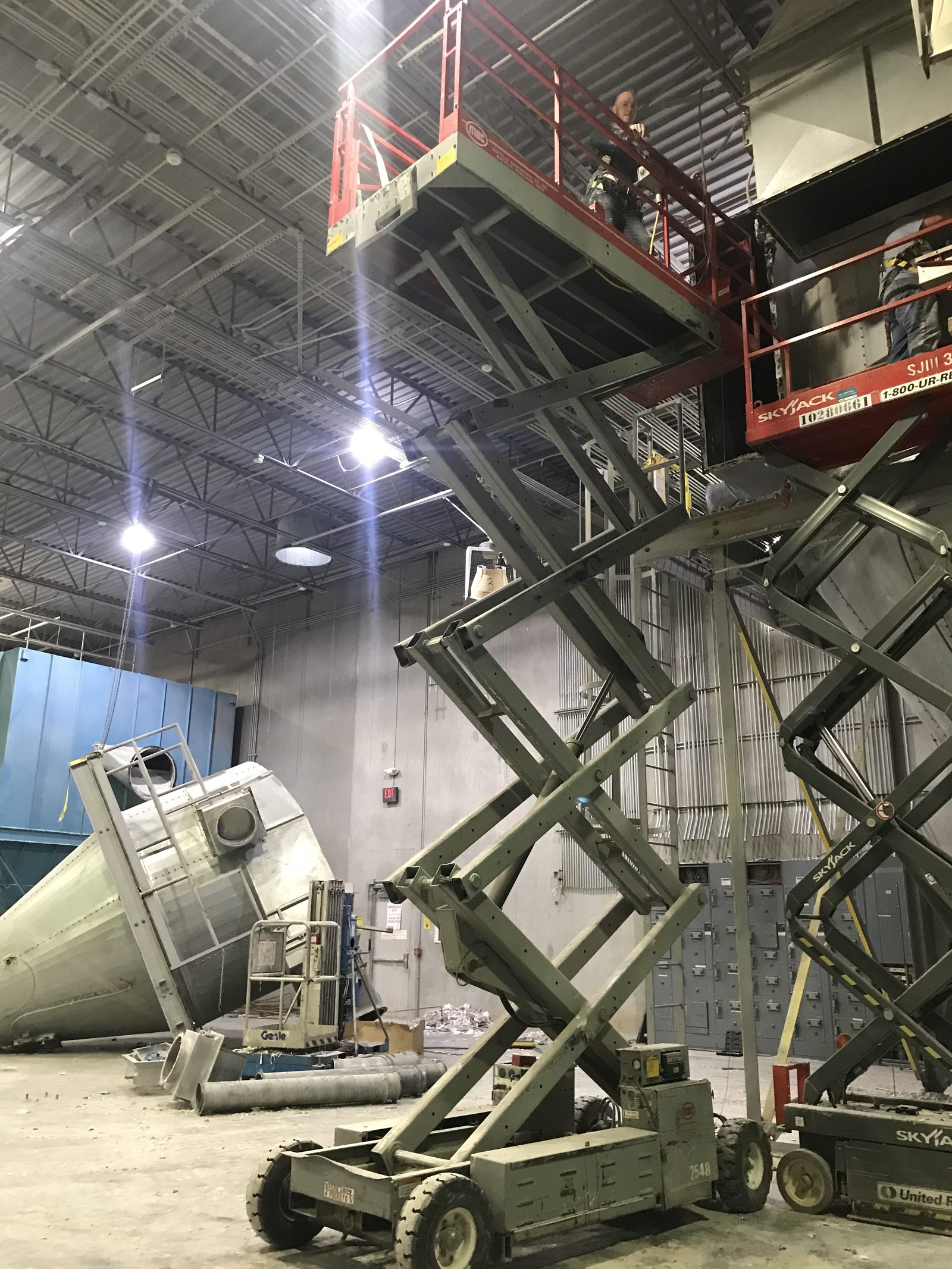
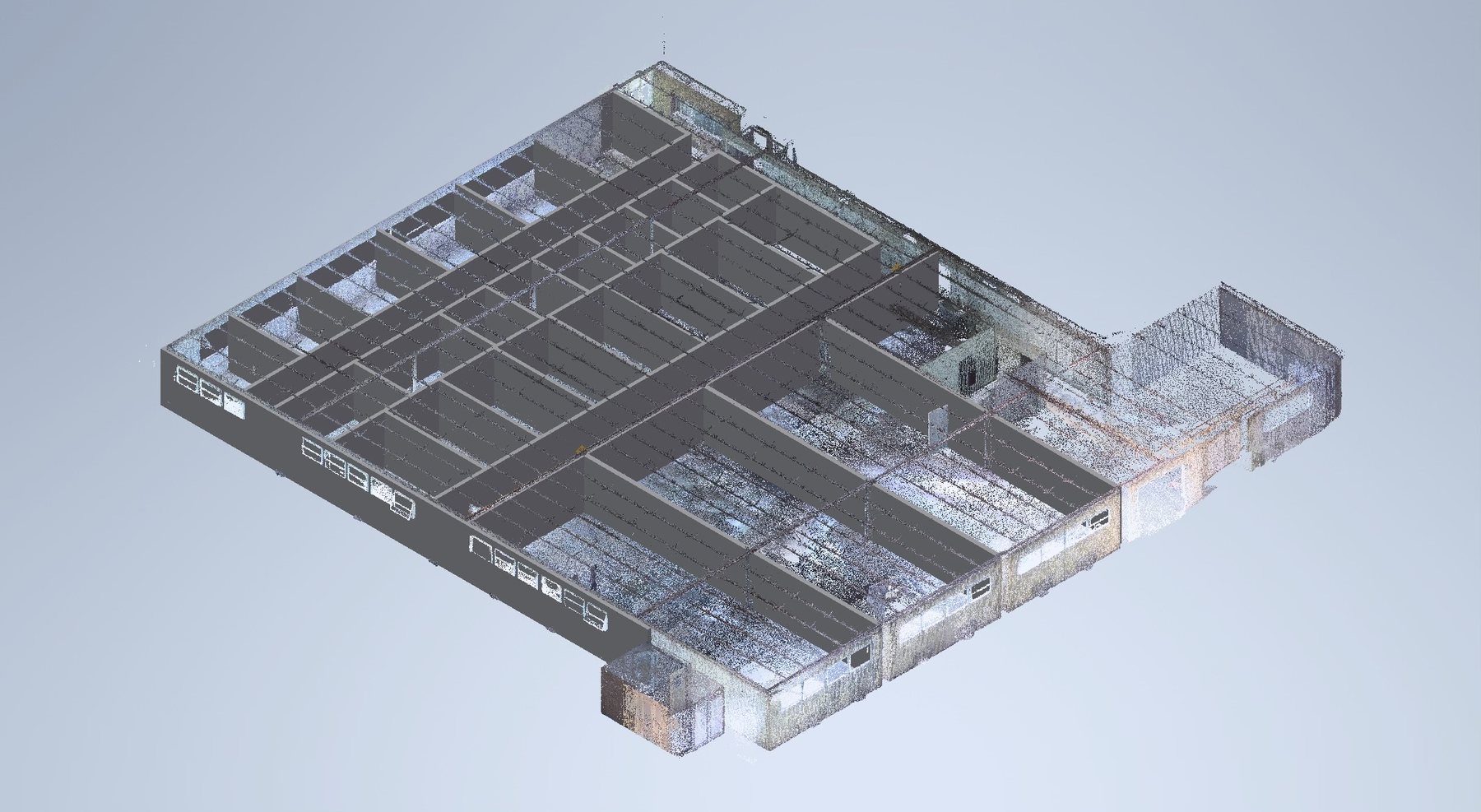
For years I ran a mobile industrial welding and fabrication business. Cyclones, balers, dust collection, structural steel — I'd fly or drive out to a plant in Spokane or Detroit or Maryland, rig it, weld it, set it, and come home. Scissor lifts, cranes, tight-space stick welding, and a lot of nights in a hotel figuring out what to do about the four bolts nobody shipped.
The other half of that work was the opposite: going into plants that were closing and scrapping them out. Walking a facility somebody had poured a life into, pricing what it would cost to cut it apart and haul it away. That is a strange thing to do for a living. You start seeing the whole cycle — a building gets built, it runs for forty years, the work moves, and then somebody like me shows up with a torch.
Somewhere in there I stopped seeing empty industrial buildings the way most people see them. To a broker, a dead plant is a listing that won't move. To me it was a building I'd already been inside a hundred versions of. I knew what the power was likely to be, what the roof was doing, what could be cut and what couldn't, and roughly what it would cost to find out.
The building
So when a wrecked building came up at $75,000, I already knew what I was looking at.
December 2018. Thirty-four thousand square feet on the Norfolk Southern line — broken windows, drums of leftover chemicals on the floor, water coming through the old office, nothing working. It was cheap because there was no buyer for a shell that size in a town of two thousand people.
Everyone's instinct, including mine at first, was to find one tenant big enough to take the whole thing. That tenant does not exist in DeKalb County. So I cut it up instead — walls, power, heat, lighting, overhead doors, docks, restrooms, internet, keypad access — unit by unit, as fast as each one could be leased, funding the next one with the last one's rent.
A lot of that I did myself with a small crew, between jobs and on weekends. That is not a brag; it was the only way the arithmetic worked. But it does mean I know what every one of those conversions actually costs — not from a contractor's bid, but because I paid for it and most of the time I built it.
What I bring to the next one
I can see the finished building before I spend a dollar.
This is the part that makes the model repeatable rather than lucky, and it comes from the other business.
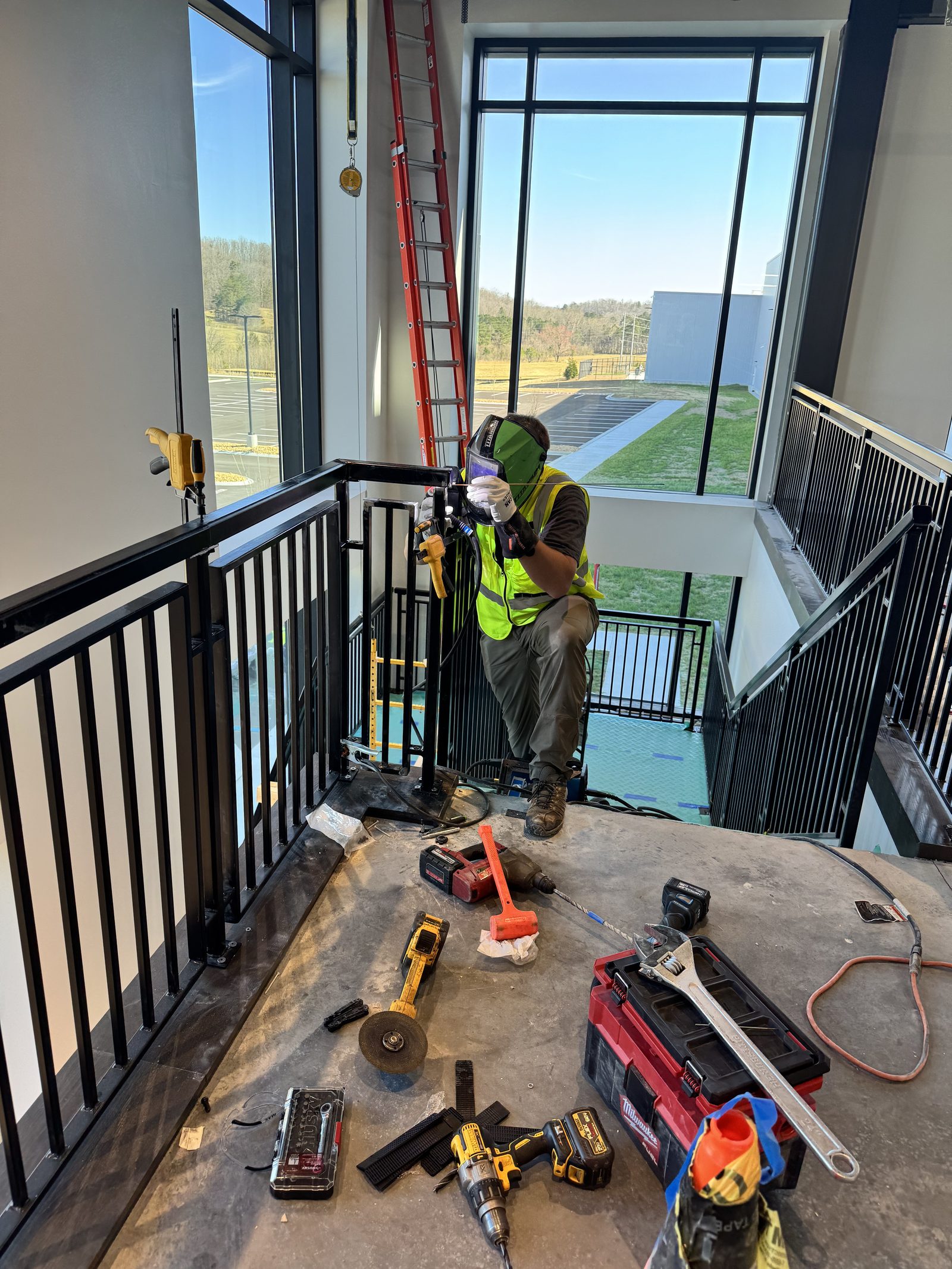
- I scan every building before I start. A Leica BLK360 gives me a point cloud of the real structure — not the drawings somebody lost in 1978. That goes straight into Inventor and I lay the whole conversion out in CAD: unit lines, doors, power runs, where the walls actually can go.
- Which means I know the number before I commit. Most people buying buildings at single-digit dollars a foot find out what the conversion costs while they are already paying for it. I get it figured out before we start spending.
- I design and fabricate for a living. Industry48 Engineering & Fabrication is the shop side — production steel design, weld-together kits, reality capture. It is also why the Waterloo work got built instead of bid out.
- I have been the guy on the other end of the torch. Decommissioning work teaches you fast which buildings are worth saving and which ones are only worth their steel. That judgement is most of the underwriting.
The reason there is no leasing office.
People assume the no-staff thing is a cost decision. It started as a personal one.
I was gone two weeks at a stretch, welding somebody else's equipment into somebody else's plant, and missing everything at home while I did it. What I wanted was not a bigger welding business. It was something that kept paying whether or not I was standing in it.
So the building got designed around my absence from the start. Keypad access instead of key handoffs. One simple gross lease instead of negotiations. One all-in monthly bill instead of a utility argument. An online portal instead of chasing rent. Shared docks, shared restrooms, a shared forklift — so tenants get amenities none of them could afford alone, and none of it needs me there to work.
That turned out to be the whole product. A building that runs itself is what makes it possible to own the eleventh one. It also happens to be why the management fee is worth paying: the system is the thing, not the labor.
Why this, next
One building proved it. The point is to do it again.
Everything that makes Waterloo work is written down now — the leases, the tenant guide, the access system, the one-bill billing structure, the underwriting scorecard that says which building is worth chasing and which one is a trap. That is the actual product.
The plan from here is a management company that converts and operates these buildings across the country, taking an equity position in each one alongside capital partners and earning the fee for running them. Same system, same leases, different towns.
There is no shortage of inventory. I have stood in a lot of these buildings with a cutting torch. Every small manufacturing town in America has one sitting dark on the rail line, and a hundred tradesmen with nowhere decent to work.
The entities
Waterloo Incubator LLC
Owns and operates 405 E Marion Street. Acquisition, conversion, leasing, collections and maintenance are all in-house.
Industry48 Engineering & Fabrication
The shop side — production steel design, weld-together kits, and Leica BLK360 scanning and scan-to-CAD. industry48.com
The Incubator Guy
The conversion and management business being built on top of both — new buildings, new towns, the same operating system.
Contact
Get in touch directly.
There is no gatekeeper here. Calls and emails come to me.
Whether you are placing capital, sitting on an empty industrial building, running an economic development office, or just want to know how the numbers actually work — the fastest route is the phone.
Waterloo, IN 46793
Industry48 Engineering & Fabrication LLC
There is a building near you doing nothing.
Let's put something in it.