
Proven in Waterloo, Indiana · Built to repeat
Every small town has a dead building. We fill it back up with small business.
We buy abandoned industrial buildings for a fraction of replacement cost, carve them into shops, garages and storage units the trades actually need, and manage them for cash flow. One building in Indiana proved it works. Now we're doing it again.
The opportunity
The buildings are already there. Nobody wants them whole.
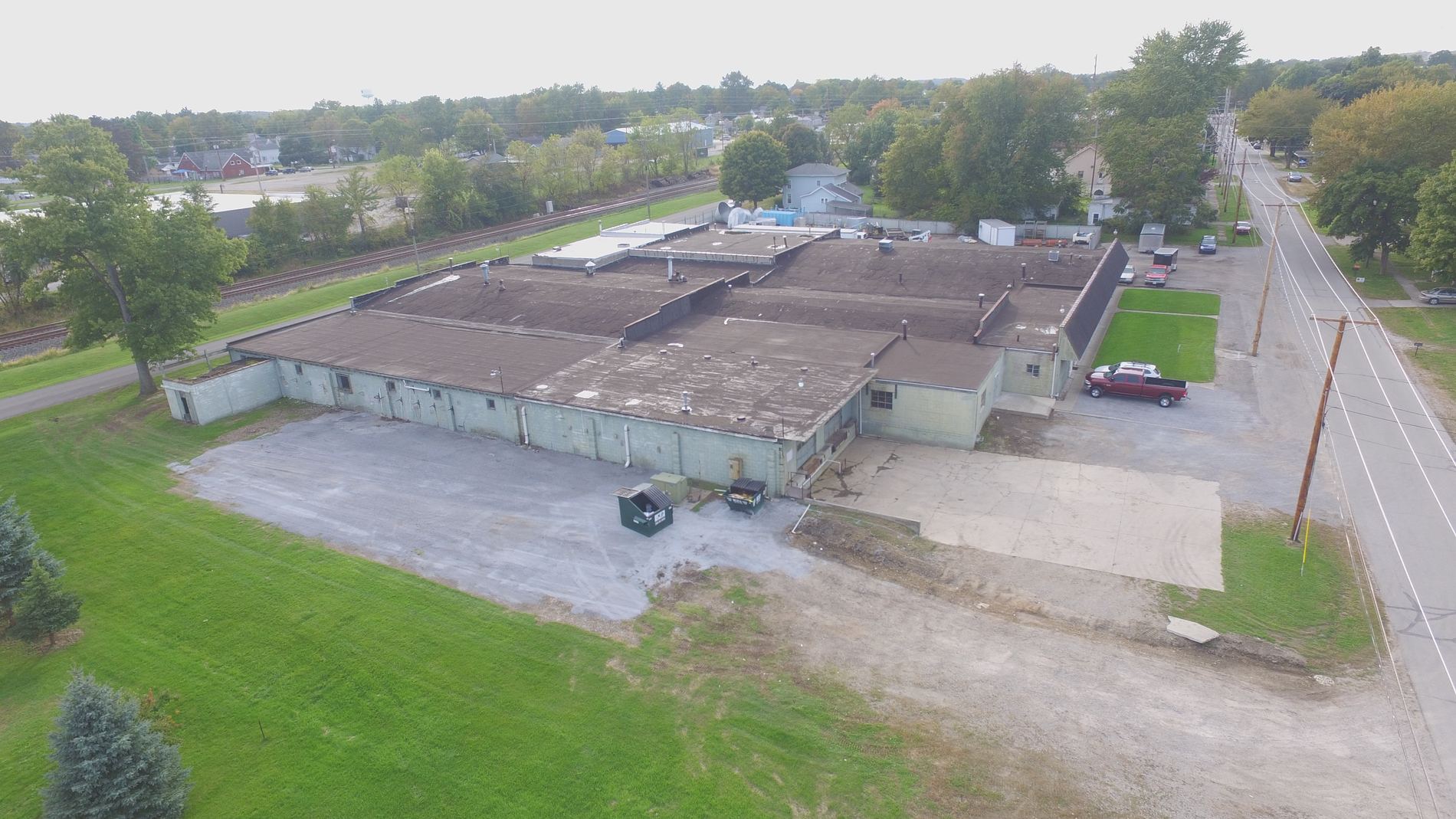
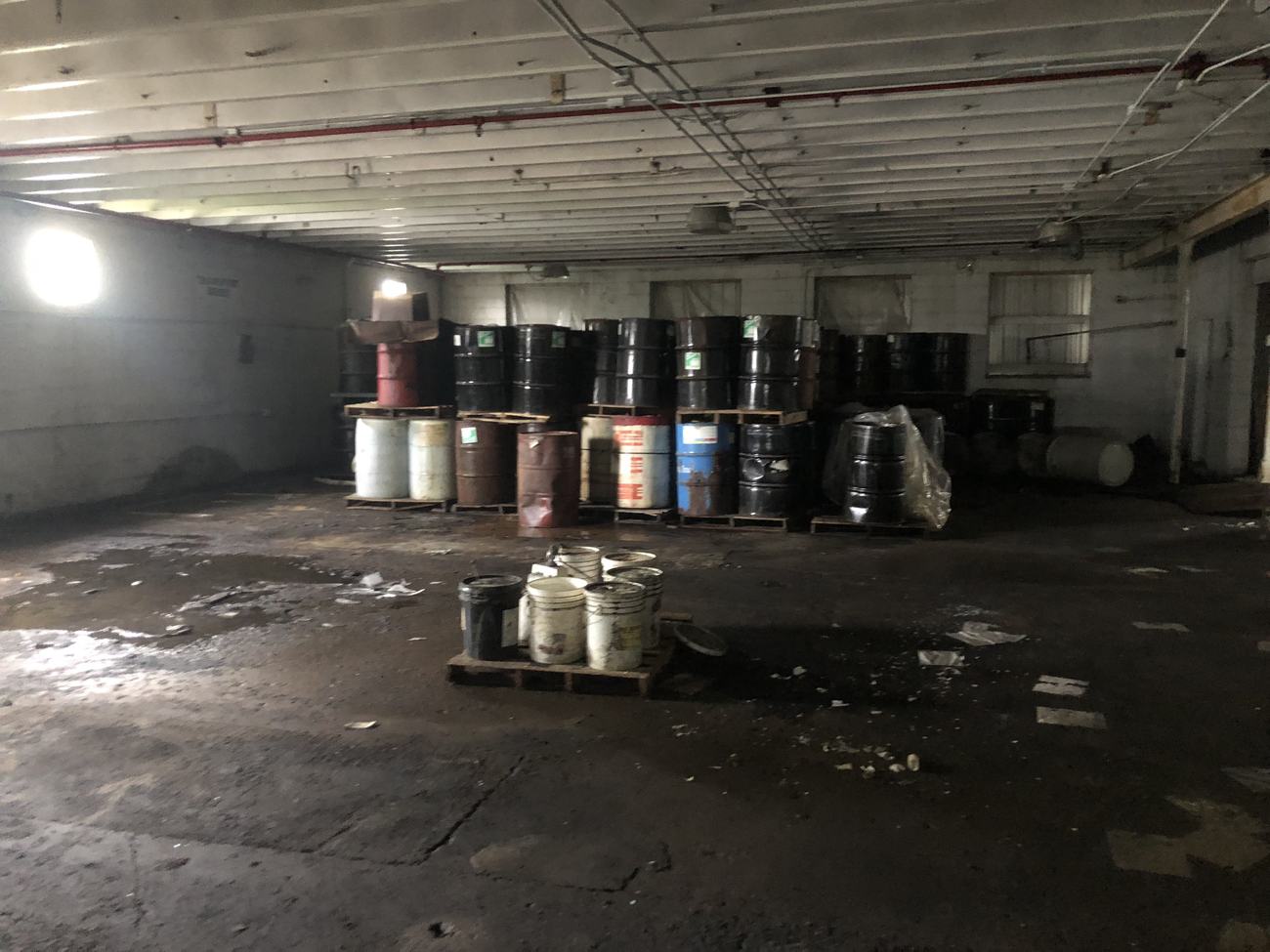
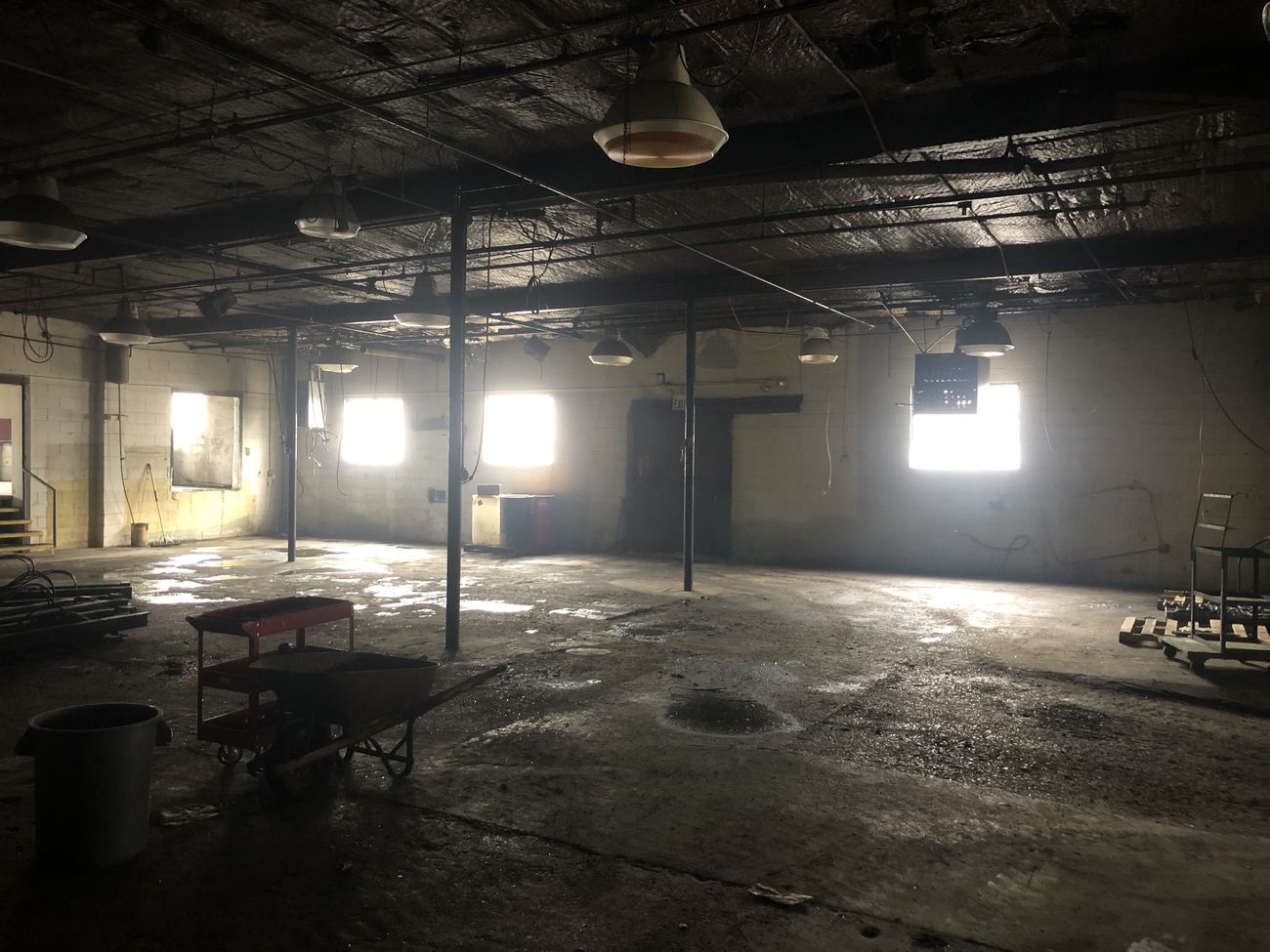
Drive the rail line in any small manufacturing town and you'll find them: the closed foundry, the shuttered parts plant, the mill with the lights off. Too big for one small tenant. Too rough for an institutional buyer. Too far from the interstate for a distribution operator. So they sit — dark, taxed, and falling apart, in towns that need the jobs.
Meanwhile the welder, the mechanic, the cabinet shop, the landscaper and the guy with three trailers and nowhere to put them cannot find 800 square feet with an overhead door anywhere within thirty miles.
Both problems solve each other. That's the whole business.
The model
Three moves, repeated building by building.
Buy at a basis nobody else will accept
We target abandoned, closed and distressed industrial buildings in towns of 1,000 to 10,000 people, within five miles of a real highway interchange, next to a working manufacturing base. Most of them aren't listed — we find them by driving and mailing. The price we pay is measured in single-digit dollars per square foot, against $50–$100 per foot to build the same thing new.
Carve it into small businesses
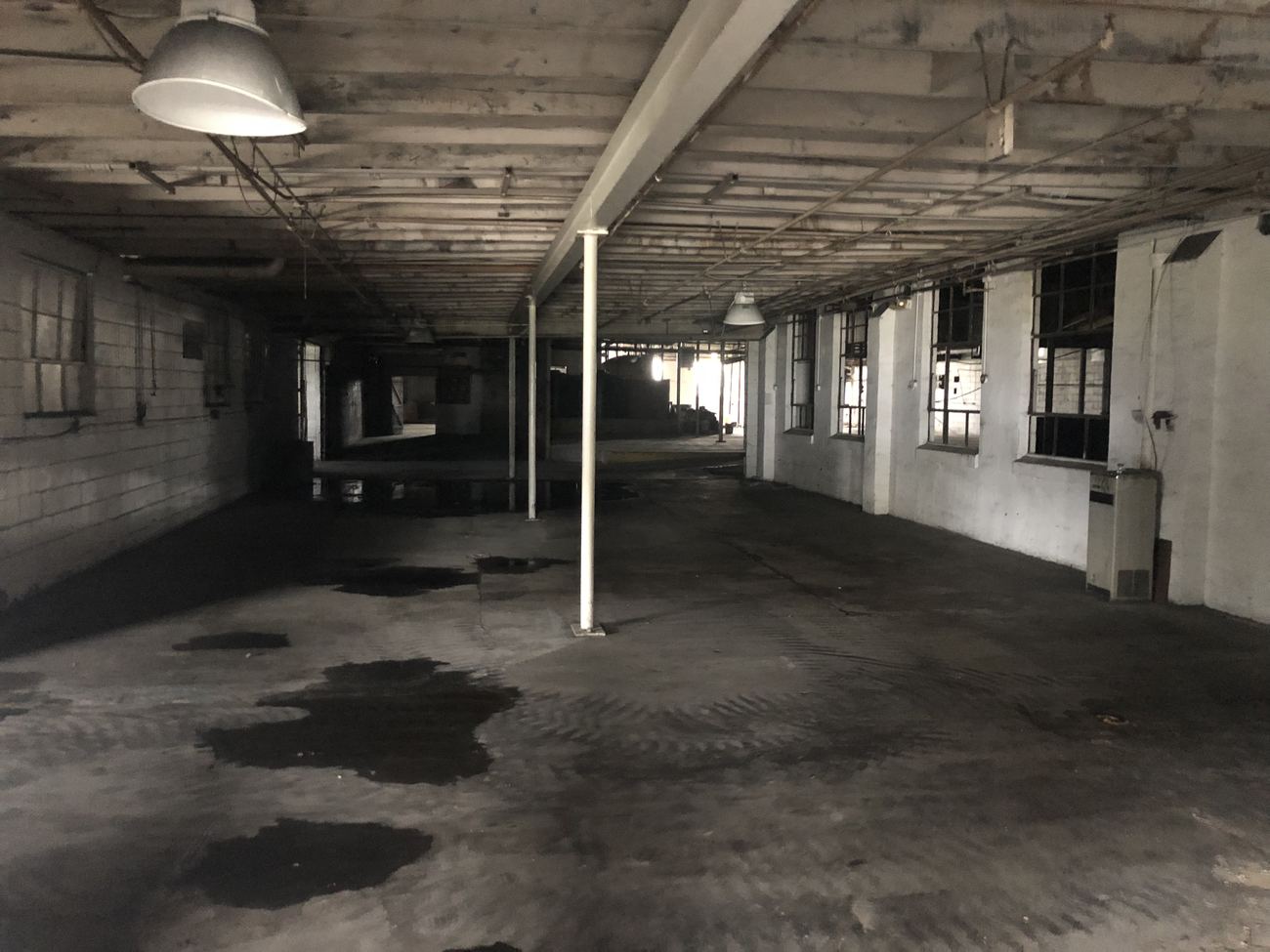
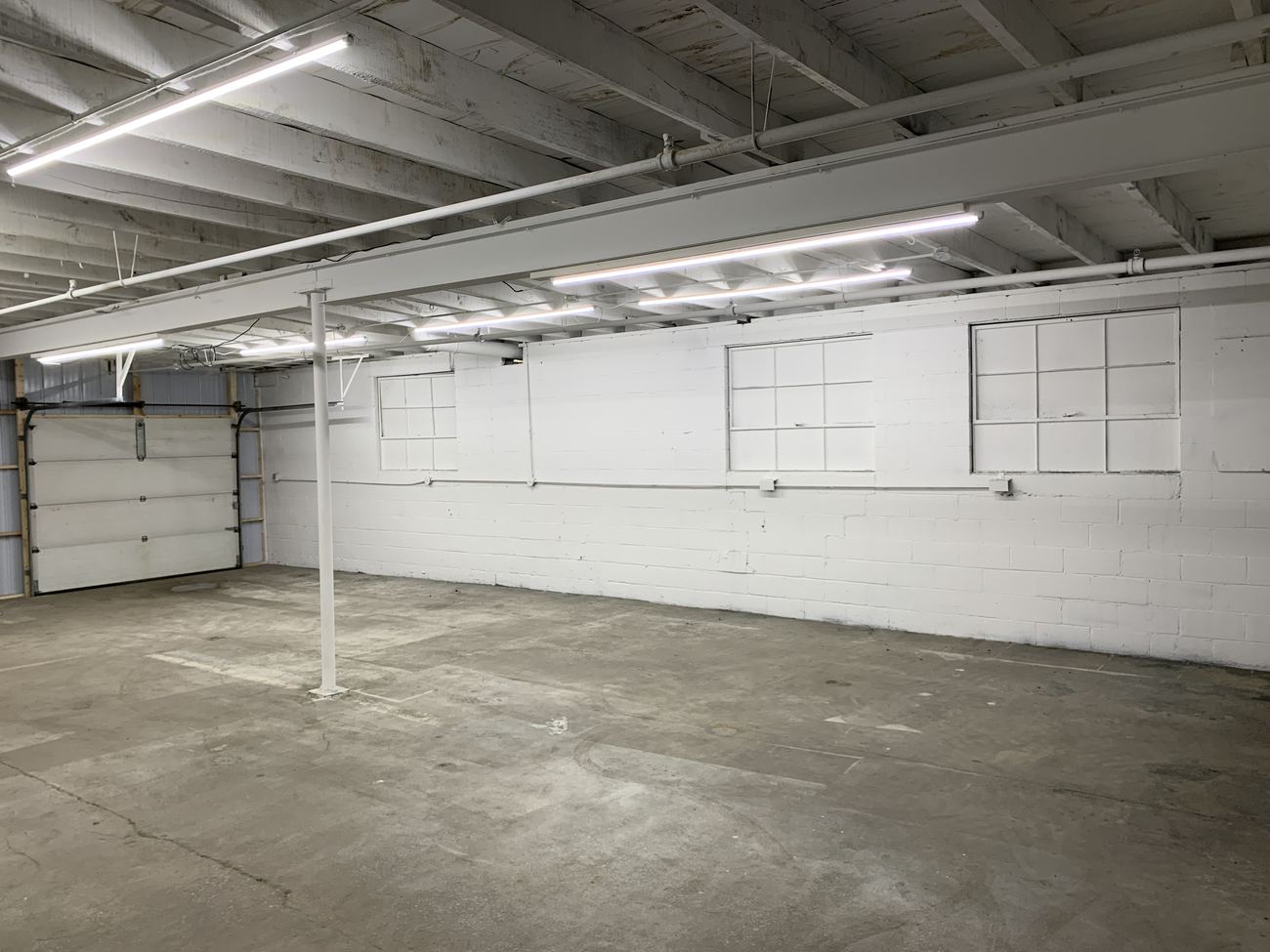
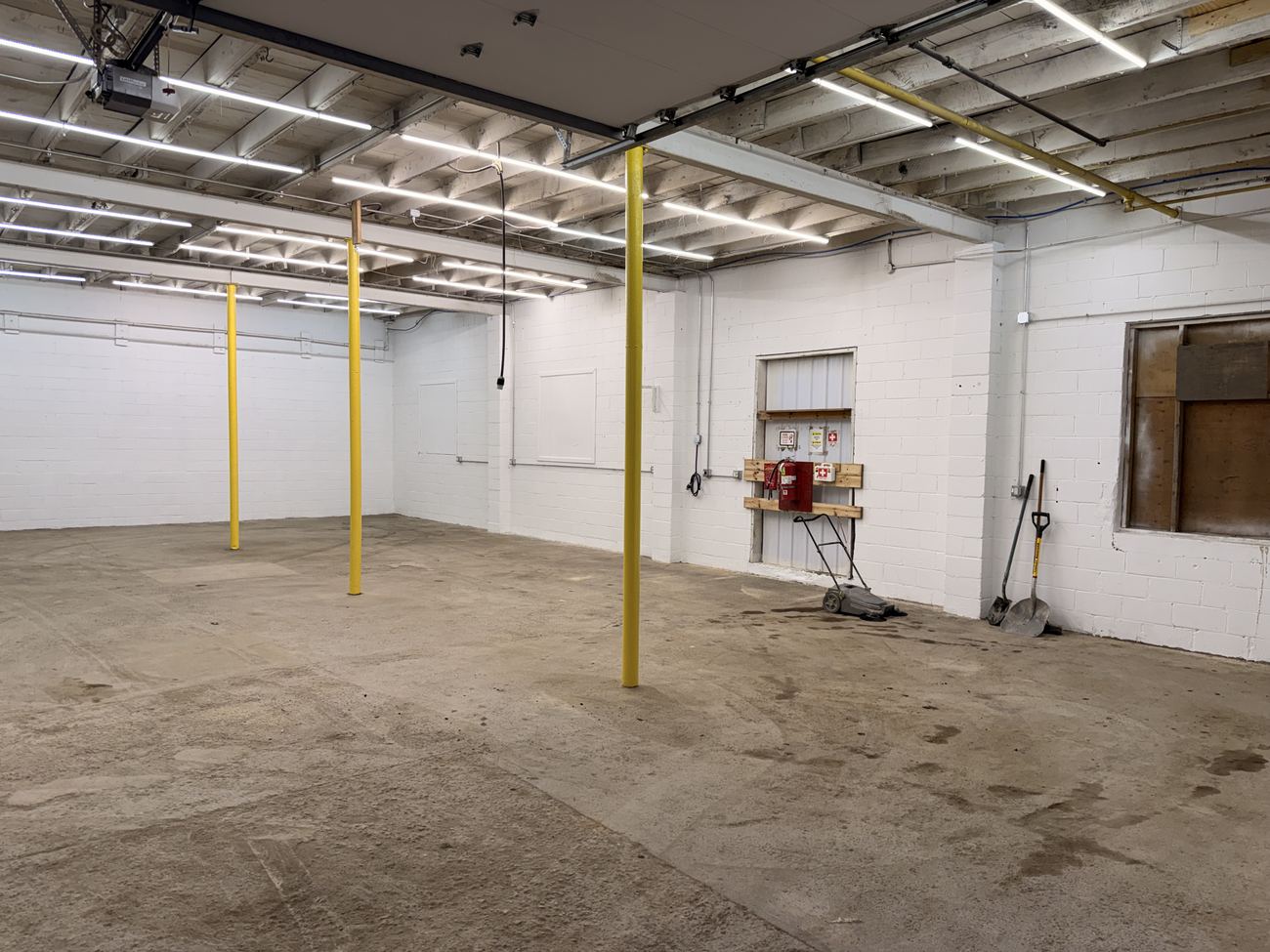
Whole buildings rent cheap. Pieces of buildings rent dear. We wall the shell into shops, garages, workshops and storage units from a locker up to forty by sixty feet, add exterior spaces and parking, and rent the pieces for several times what the whole could ever earn as a single tenancy. Dozens of tenancies also means no single move-out can hurt you.
Run it lean and keep it full
Keypad access instead of a leasing office, so a tenant can be working the day they sign. We show every unit in person and walk new tenants through how the building runs, and we are on site a couple of times a month to check the cleaning crew and keep the common areas clear. One simple gross lease. One bill with heat, power, internet, trash, dock access and the shared forklift included. Overhead stays flat while the rent roll grows.
The proof
405 E Marion Street
Waterloo, Indiana
A 34,000 square foot building, abandoned when we bought it in 2018 for $75,000. Years of largely self-performed renovation later it holds 56 rentable units — shop zones up to 40×60, offices, storage and parking — leasing to trades across DeKalb County.
At 90% occupancy it runs a rent roll of $18,835 a month — about $226,000 a year — against operating costs near $102,000. Property taxes run about $4,531 a year and insurance about $5,000. Nobody sits in an office here — the building runs on keypad codes, a shared forklift, and a couple of management visits a month. It is the reason we know this model holds up outside a spreadsheet.
What we're building
A management company with skin in every building.
The plan is not to own one good building. It is to convert building after building across the country and run them all on the same system — the same leases, the same access control, the same one-bill-included tenant experience, the same underwriting scorecard.
On each deal we take an equity position alongside our capital partners and earn the management fee for operating it. Partners get a real asset at a basis that protects them. Towns get an eyesore turned back into a working address. We get cash flow and a growing portfolio.
You have money to place
Back an acquisition alongside an operator who has already done the conversion once, with his own hands, and can show you the leases.
For investors 02 — PropertyYou own a building nobody wants
Vacant, dated, half-empty or a liability on your taxes. We buy as-is, in cash, and we close without a due-diligence circus.
Sell a building 03 — CommunityYour town has a dead plant
We turn one dark building into dozens of small local businesses paying rent, taxes and payroll — without asking for an incentive package.
For communitiesLet's talk about the next building.
Whether you're placing capital, sitting on an empty industrial property, or trying to get one off your town's tax roll — the conversation starts the same way.